How to Light a Dark Hallway Without Wiring
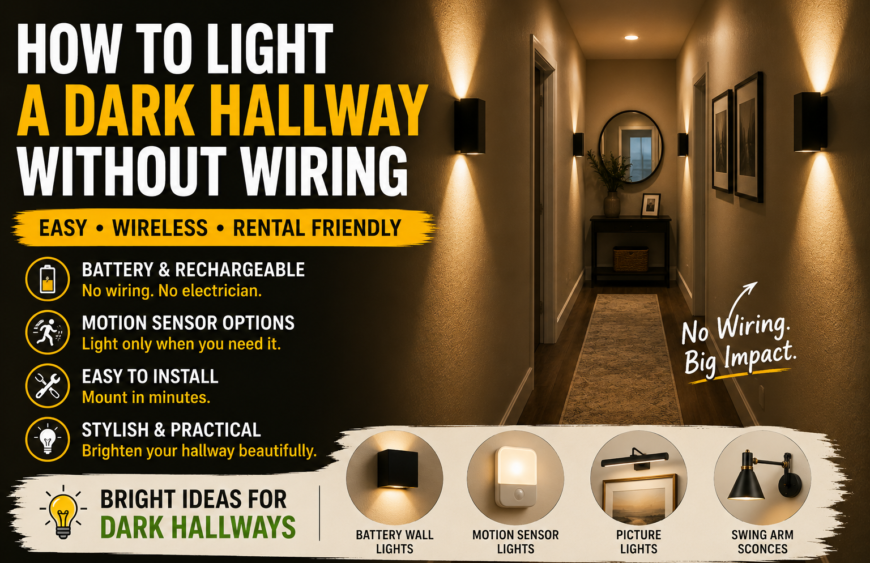
Yes, you can effectively light a dark hallway without any new electrical wiring. The most practical solutions include battery-powered wall lights, rechargeable sconces, plug-in fixtures, and motion-sensor lights. These options require no electrician, no wall demolition, and no permits. For renters and homeowners alike, modern no-wire lighting offers safe, attractive, and highly effective hallway illumination that rivals hardwired alternatives.
Dark hallways are a common frustration in many homes. Whether you live in an apartment, a rental property, or an older house with limited electrical outlets, illuminating a hallway without wiring is entirely achievable. This guide provides ten practical, no-wire solutions, placement advice, and expert tips to transform your dark hallway into a bright, welcoming space.
Why Some Hallways Feel Dark
Understanding why your hallway is dark helps you choose the right lighting solution. Common causes include:
- No windows: Hallways are often interior spaces with zero natural light.
- Narrow layouts: Tight spaces trap shadows and limit light spread.
- Dark walls or flooring: Dark paint, wood tones, or carpet absorb light rather than reflecting it.
- Poor ceiling lighting: A single, small fixture often fails to provide adequate coverage.
- Insufficient light sources: One overhead light cannot evenly illuminate a long corridor.
- Awkward electrical layouts: Existing outlets or switches may be poorly positioned or non-existent.
Addressing these issues with strategic, no-wire lighting creates a brighter, safer, and more inviting space.
10 Ways to Light a Dark Hallway Without Wiring
1. Battery-Powered Wall Lights
How it works: These fixtures operate on standard batteries (AA, AAA, or C cells) and mount to the wall using screws or strong adhesive strips. They provide bright, directed light without any electrical connection.
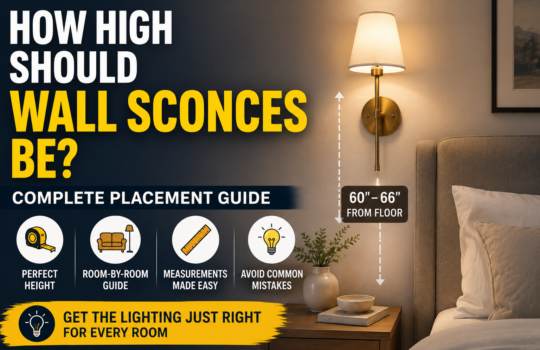
Best placement: Mount at eye level (60-66 inches from the floor) every 6-8 feet along the hallway wall.
Advantages: Truly wireless, renter-friendly, easy to install, and available in decorative styles.
Limitations: Requires regular battery changes; brightness may diminish as batteries deplete.
Best for: Renters, DIY enthusiasts, and anyone wanting a permanent-looking fixture without wiring.
2. Rechargeable Wall Lights
How it works: These fixtures contain built-in rechargeable batteries. They are removed from the wall mount and plugged into a USB charger when power runs low.
Best placement: Ideal for frequently used hallways where lights are needed daily.
Advantages: No ongoing battery costs; eco-friendly; often include motion sensors.
Limitations: Must remember to recharge; some models have shorter runtimes.
Best for: Environmentally conscious users and those who prefer minimal maintenance.
3. Motion-Sensor Lights
How it works: Passive infrared (PIR) sensors detect movement and automatically activate the light. They are available in battery, rechargeable, and plug-in versions.
Best placement: Near entryways, at the top or bottom of stairs, and in darker corners.
Advantages: Energy-efficient; only illuminates when needed; excellent for security awareness.
Limitations: Detection range varies; may not activate if the sensor is blocked.
Best for: Homes with children, elderly residents, or anyone wanting hands-free convenience.
4. Plug-In Wall Lights
How it works: These lights plug into a standard electrical outlet and are mounted to the wall with a cord that can be clipped or hidden along baseboards.
Best placement: Where outlets are available; can be used to supplement battery lights.
Advantages: Unlimited runtime; no batteries; often brighter than battery options.
Limitations: Cord management is essential; may require an extension cord.
Best for: Hallways with existing outlets; homeowners wanting consistent brightness.
5. Picture Lights
How it works: Small, focused lights that attach to the top of picture frames or directly to the wall, illuminating artwork and adding ambient glow.
Best placement: Above framed art, mirrors, or architectural features in the hallway.
Advantages: Adds a gallery feel; provides soft, focused light; available in battery and plug-in versions.
Limitations: Limited coverage; primarily accent lighting.
Best for: Adding elegance and highlighting decor.
6. Battery-Powered Accent Lighting
How it works: Small puck lights, LED strips, or mini spotlights powered by batteries, often with remote controls or timers.
Best placement: Under floating shelves, on top of cabinets, or along baseboards.
Advantages: Extremely versatile; can be hidden or shown; good for niches and alcoves.
Limitations: Lower brightness; best used as supplementary rather than primary light.
Best for: Adding layered lighting to dark corners or architectural details.
7. Portable Lamps (Where Appropriate)
How it works: Small table lamps placed on hallway consoles, shelves, or narrow tables.
Best placement: On a slim console table, a wall-mounted shelf, or an accent table.
Advantages: Adds warmth and style; easy to reposition.
Limitations: Requires surface space; not ideal for very narrow hallways.
Best for: Wider hallways or entry areas with furniture.
8. Reflective Surfaces Combined with Lighting
How it works: Mirrors and glossy wall finishes reflect light from any source, effectively brightening the space.
Best placement: Opposite or adjacent to light sources.
Advantages: Doubles the light effect without additional fixtures; visually expands the hallway.
Limitations: Works best with existing light; not a standalone solution.
Best for: All hallways, especially narrow or dark ones.
9. Multiple Low-Output Light Sources
How it works: Instead of one bright fixture, use several lower-output lights (e.g., three 100-lumen sconces) to eliminate shadows and create even illumination.
Best placement: Spaced evenly along the hallway length.
Advantages: Reduces harsh shadows; creates a more flattering light; extends battery life.
Limitations: More fixtures to install and maintain.
Best for: Creating an inviting, shadow-free environment.
10. Decorative Wall Lighting
How it works: Stylish sconces, lanterns, or geometric wall lights that double as decor. Many are available in battery-powered or plug-in versions.
Best placement: At regular intervals (6-10 feet apart), aligned with hallway focal points.
Advantages: Enhances the hallway’s aesthetic while providing functional light.
Limitations: May require more careful selection to match your decor.
Best for: Homeowners and renters wanting a stylish, finished look.
Best No-Wiring Lighting for a Rental
Renters require solutions that are easy to install, leave no damage, and can be removed. The best options are:
- Battery-powered sconces using Command strips or removable adhesive.
- Rechargeable motion-sensor lights with magnetic or clip mounts.
- Plug-in wall lights with cord covers that can be removed without damage.
- Battery-operated picture lights that clamp onto frames.
- Portable floor lamps in wider hallways or entry areas.
Always check your lease for any restrictions on adhesive mounts or temporary wiring.
Best Motion Sensor Lights for Hallways
Motion sensor lights are ideal for hallways because they activate automatically, saving battery life and providing light exactly when needed. Key considerations:
- Detection angle: Look for 120 degrees or more for wide coverage.
- Detection distance: 10-16 feet works well for most hallways.
- Operating modes: Choose between constant on, dim-to-bright, or off-to-bright.
- Battery type: Rechargeable lithium-ion offers the best longevity.
- Installation: Adhesive strips or magnetic mounts are renter-friendly.
Motion sensor lights are particularly useful at the top and bottom of stairs, near entrances, and in dark corners.
How Many Lights Does a Hallway Need?
The number of lights depends on the hallway’s length and the light output of each fixture. As a general guideline:
- Short hallway (up to 10 feet): 2-3 lights spaced evenly.
- Medium hallway (10-20 feet): 3-5 lights spaced 6-8 feet apart.
- Long hallway (over 20 feet): 1 light for every 6-8 feet of length.
For battery-powered lights, more lower-output fixtures often work better than fewer high-output ones, as they create more even illumination and extend battery life.
Where Should Hallway Lights Be Placed?
Proper placement maximizes effectiveness:
- Height: Mount wall lights 60-66 inches from the floor for general illumination.
- Spacing: Place lights 6-10 feet apart for consistent coverage.
- Focal points: Highlight artwork, mirrors, or architectural features.
- Staggering: In narrow hallways, consider placing lights on alternating sides to avoid a “runway” look.
- Entry and exit: Ensure the first and last lights are near the hallway ends.
How to Make a Narrow Hallway Look Brighter
In addition to adding lights, consider these strategies:
- Use mirrors: Reflect light to double its effect.
- Paint light colors: White, cream, or pale gray walls reflect more light.
- Glossy finishes: Semi-gloss paint or shiny floor tiles bounce light around.
- Avoid clutter: Keep surfaces clear to allow light to spread.
- Use warm light: Warm white (2700K-3000K) creates a welcoming glow.
Combining these decorative techniques with strategic lighting dramatically improves a narrow hallway’s brightness.
Warm vs Cool Light for Hallways
Warm white light (2700K-3000K): Creates a cozy, inviting atmosphere suitable for most homes. It complements wood tones, warm paint colors, and soft furnishings.
Cool white light (4000K-5000K): Appears brighter and more clinical. Use it in hallways with cool color schemes (grays, blues, whites) or where maximum visibility is needed.
Recommendation: For residential hallways, warm white is usually the better choice. It feels more welcoming and comfortable.
Battery vs Rechargeable vs Plug-In Lighting
| Lighting Type | Wiring Required | Installation | Best Use | Main Limitation |
|---|---|---|---|---|
| Battery-Powered | No | Adhesive or screws; no electrician | Renters, temporary solutions, any location | Regular battery replacement costs |
| Rechargeable | No | Adhesive or screws; USB charging | Eco-conscious users, frequent use | Need to remember to recharge |
| Plug-In | No | Needs nearby outlet; cord management | Consistent, bright light | Requires outlet access and cord planning |
Common Hallway Lighting Mistakes
- Using only one light source: Creates harsh shadows and uneven coverage.
- Placing lights too far apart: Leaves dark spots between fixtures.
- Mounting too high or too low: Affects glare and light distribution.
- Choosing insufficient brightness: Low-lumen lights won’t adequately illuminate a hallway.
- Ignoring the color scheme: Dark walls and floors absorb light, requiring more fixtures.
- Forgetting about warm-up time: Some battery lights gradually dim as batteries drain.
- Not testing placement: Always test with painter’s tape before drilling or sticking.
Simple Dark Hallway Lighting Plan
Short Hallway (up to 10 feet)
Install two battery-powered sconces on alternating walls, positioned at eye level. Add a motion-sensor light at the entrance for convenience.
Long Hallway (10-25 feet)
Use 3-5 sconces or wall lights spaced 6-8 feet apart on alternating sides. Complement with picture lights above any artwork and mirrors to reflect light down the corridor.
Narrow Hallway
Maximize wall space with slim-profile battery sconces and LED strip lights along baseboards or ceiling coving. Use glossy paint or large mirrors to bounce light and create a sense of spaciousness.
Rental Hallway
Prioritize adhesive-mounted battery lights, motion-sensor stick-on lights, and plug-in sconces with removable cord covers. Always use removable adhesive strips and avoid drilling.
Frequently Asked Questions
How can I light a hallway without wiring?
Use battery-powered wall lights, rechargeable sconces, plug-in fixtures, or motion-sensor lights. These require no electrical wiring and are renter-friendly.
What are the best battery lights for a dark hallway?
Look for LED battery sconces with at least 100-200 lumens, warm white color, and a timer or motion sensor feature for optimal performance.
Can I install wall sconces without an electrician?
Yes, battery-powered and plug-in sconces are designed for DIY installation. No electrician or wiring is required.
How many lumens do I need for a hallway?
Aim for 100-200 lumens per fixture in short hallways and 200-400 lumens for longer corridors. More fixtures with lower output often work better than one bright light.
Do motion sensor lights work in hallways?
Yes, motion sensor lights are excellent for hallways. They conserve battery life and provide light only when needed, making them ideal for both homes and rentals.
How do I hide cords for plug-in hallway lights?
Use cord covers that adhere to the wall and can be painted to match your decor. Route cords along baseboards or behind furniture.
Are battery wall lights bright enough for hallways?
Yes, many modern battery LED lights provide 100-300 lumens, which is sufficient for a hallway. Check the product specifications before purchasing.
Can I use solar lights indoors for a hallway?
Solar lights are designed for outdoor use and require sunlight. They are not recommended for indoor hallways as they need consistent direct sunlight to charge.
How high should I mount hallway sconces?
The standard height is 60-66 inches from the floor to the center of the fixture. Adjust based on your height and the sconce’s design.
What is the best color temperature for a dark hallway?
Warm white (2700K-3000K) is generally recommended. It creates a welcoming, comfortable feel in residential spaces.