
Good rattan wall light placement beside a bed does more than free up a nightstand. A woven shade softens a bedroom, adds natural texture and creates a warm pool of light where you read or wind down. The key is to position the fixture for the way you use the bed, not simply at a height that looks symmetrical in a photograph.

This guide explains where to mount a rattan sconce, how to choose a comfortable height, whether to use one light or a pair, and how to manage a plug-in cable. It also covers bulb choice, small bedrooms, styling and the details to check before ordering. If you are comparing wall fixtures more broadly, start with our bedroom lighting ideas guide and our practical plug-in wall sconces for bedroom article.
Where should a rattan wall light go beside a bed?
For most bedrooms, the most useful position is on the wall beside the headboard, slightly behind the point where your shoulder rests when you sit up. This lets the shade illuminate a book or the bedside area without shining directly into your eyes. If you have a tall headboard, check that the shade remains visible and that the light does not disappear behind the top edge.
In a double bed, a matching pair creates balance and gives each person a separate light source. Place one on each side, using the same height and distance from the mattress where the room layout allows. In a single bed or compact guest room, one fixture on the reading side is often enough. Avoid placing a single lamp exactly in the centre above the headboard if you need useful reading light at the side.
Before drilling, sit on the bed in your normal reading position. Mark the wall where the lamp would sit, then check the shade position from both a standing and seated view. This simple test helps prevent glare and awkward reach.
What height is best for a bedside rattan sconce?
There is no universal mounting height because mattress thickness, headboard height, lamp projection and the height of the person using it all vary. A practical starting point is to place the centre of the shade around eye-to-shoulder level when you are seated in bed, then adjust it so the light falls onto the page rather than directly into your face.
Measure from the finished floor and record the height of the mattress top. Then measure the distance from the mattress to the proposed lamp centre. If you share the bed, test the position from both sides. The switch should remain easy to reach without stretching across the bed or leaning around a headboard.
For a more detailed reference, use our wall sconce placement guide. Treat any published height range as a starting point, not a fixed rule. A deep mattress, adjustable bed base or unusually tall headboard can change the ideal position.

One rattan wall light or a matching pair?
Choose a pair when both sides of the bed need independent light or when you want a symmetrical design. Matching fixtures work particularly well with a centred headboard, two nightstands and balanced wall art. They also reduce the need for bulky table lamps, leaving room for a phone, book, water glass or alarm clock.
Choose one fixture when the bed sits against a corner, when one side is close to a wardrobe, or when you use the room mainly for sleeping rather than reading. A single rattan sconce can also highlight a reading chair or a narrow wall beside a bed. If you choose one, give it a deliberate relationship to the furniture rather than placing it randomly to fill an empty wall.


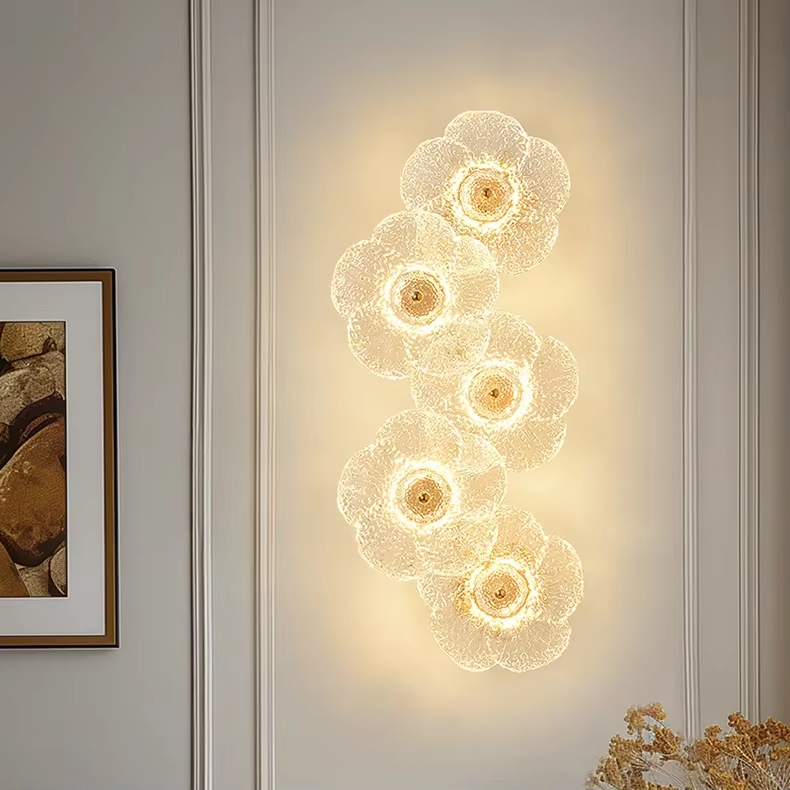
- Pair: best for equal bedside use and a balanced headboard wall.
- Single: best for compact rooms, corner beds and one-sided reading.
- Mixed pair: use two different fixtures only when their scale, finish or light output still feels intentional.
How to style a rattan sconce in a small bedroom
Rattan works naturally with linen, cotton, timber, cane furniture, warm white walls and muted earthy colours. In a small room, let the woven shade provide the main texture and keep nearby accessories simple. A narrow bedside shelf, a small framed print or a single ceramic vase can complete the area without crowding it.
For a calm look, repeat one natural material elsewhere in the room. A rattan basket, wooden bedside table or woven storage box can connect the lamp to the rest of the design. Do not repeat every texture: too many baskets, woven shades and patterned fabrics can make a small bedroom feel busy.
Use the wall around the fixture thoughtfully. A light neutral wall makes the weave stand out, while a deeper olive, clay or charcoal colour creates a more dramatic contrast. If you have wallpaper, choose a quieter pattern behind the lamp so the shade remains easy to see.
Choose the right bulb and light colour
Check the exact lamp holder before buying a bulb. The LightDecorHub Rattan Wall Light with natural wicker shade is listed as a plug-in E27 sconce, so choose a compatible E27 LED bulb and stay within the product’s stated maximum wattage. Never assume that every rattan wall lamp uses the same fitting.
For a relaxed bedroom, warm white around 2700K to 3000K usually complements natural fibres and timber. A clear bulb can create a stronger decorative effect, while an opal or frosted bulb softens the visible light source. If the shade has an open weave, avoid a bulb that feels uncomfortably bright when viewed from the pillow.
Also distinguish colour temperature from brightness. Kelvin describes whether light looks warm or cool; lumens describe how much light it produces. A warm bulb can still be too bright for bedtime, so choose output based on whether you need ambient light, reading light or both.

Plug-in or hardwired: which installation suits your room?
A plug-in rattan wall light is useful when you want to avoid opening the wall or arranging a new electrical point. It can suit a rental or a room where the socket is already near the bed. Plan the cable route before mounting the fixture. Keep the lead close to the wall, use suitable cable clips and leave the plug accessible. Do not run a loose cord across a walking route or trap it beneath furniture.
A hardwired wall light can create a cleaner finish because the cable is concealed, but the electrical connection should be completed by a qualified electrician. Confirm the wiring, wall box and switch position before purchasing. Do not modify a plug-in product to make it hardwired unless the manufacturer explicitly supports that installation.
Common placement mistakes to avoid
- Mounting the shade too high, so the light misses the book and shines into the room.
- Placing the lamp behind the headboard, where the shade becomes hidden.
- Choosing a bulb that is too bright for a woven, open shade.
- Ignoring the switch location and discovering that it is difficult to reach from bed.
- Leaving a plug-in cable loose near a doorway or walking path.
- Using a fixture in a damp location when its rating only supports dry indoor use.
- Drilling before checking the wall structure, cable route and furniture clearance.
How to plan the installation before drilling
Measure the bed width, headboard height and distance to the nearest socket. Mark the proposed lamp centre with painter’s tape. Sit on the bed and check the beam direction, shade projection and switch reach. If you plan a pair, measure both sides from the same reference point rather than estimating by eye.
Check the wall for hidden wiring and pipes before drilling. Use fixings suitable for the wall material and the weight of the fixture. If the product includes a mounting plate or bracket, follow its supplied instructions rather than improvising a different attachment. After installation, check that the shade is secure and that the cable does not pull on the connection.
Frequently asked questions
Can a rattan wall light be used as a bedside reading light?
Yes, if its position and bulb provide enough directed light for reading. Test the beam from your normal seated position. A decorative woven shade may create a softer pattern, so a separate task light can still help if you read for long periods.
Should bedside wall lights be placed above the headboard?
They can sit above or beside the headboard. For reading, placing each light slightly to the side usually directs the beam more usefully. Make sure the shade remains visible and does not shine directly into your eyes.
Are plug-in rattan wall lights suitable for renters?
They can be a practical option because they do not require a new hardwired connection. You still need permission for wall fixings in some rentals, and you should route the cord neatly and safely.
What colour bulb looks best with rattan?
Warm white around 2700K to 3000K usually complements natural woven fibres. Check the fixture’s bulb base and maximum wattage before buying.
How do I clean a rattan wall lamp?
Switch it off, disconnect power and allow it to cool. Use a soft brush or dry microfiber cloth to remove dust from the weave. Follow the care instructions for the specific shade and avoid soaking natural fibres.
Final checklist
Before ordering, confirm the fitting, bulb limit, mounting hardware, cable length, shade dimensions and installation type. Check that the lamp will clear the headboard, wardrobe doors and bedside accessories. If you are choosing a pair, verify that both sides have enough wall space and accessible power. A few minutes of measuring will help the finished room feel balanced and make the light more comfortable to use every night.


